




now test amazing Headr in India
Resolve traffic fines for your fleet. * Avoid court visits * Get upto 50% discountA Sole Proprietorship is an unregistered and simplest form of business structure in which a single individual owns, controls, and manages the entire business. There is no legal distinction between the owner and the business entity, meaning the proprietor is personally liable for all profits, losses, debts, and legal obligations.

Skip Court. Save More

✅ Expert Assisted Online Proprietorship Registration in 7 business days

Consequences of Not Paying Your E Challan in UP

The payment of additional charges

Asked to appear in court

Cancelation of License
Header
Our AI-powered legal platform simplifies legal assistance, making it easier to understand your rights. We provide insights from past cases, addressing issues of delayed, costly, & inaccessible justice, ensuring justice for allWhat is Sole Proprietorship?
A Sole Proprietorship is an unregistered and simplest form of business structure in which a single individual owns, controls, and manages the entire business. There is no legal distinction between the owner and the business entity, meaning the proprietor is personally liable for all profits, losses, debts, and legal obligations.
This model is especially suitable for freelancers, consultants, small traders, and local businesses. Due to its minimal compliance requirements and straightforward setup, it is one of the fastest and easiest ways to start a business in India.
Why Do You Need a Sole Proprietorship?
- Easy Setup- No lengthy registration process involved.
- Low Cost- No incorporation fees; minimal documentation.
- Full Control- The proprietor controls decision-making and management.
- Fewer Compliances- No annual filings or board meetings.
- Ideal for Testing Ideas- Great for starting small and scaling later.
- Tax Simplicity- Income is taxed as personal income, with no corporate tax structure.
- Fast Bank Account Opening- With basic business proof, accounts are easily opened.
What is Sole Proprietorship?
A Sole Proprietorship is an unregistered and simplest form of business structure in which a single individual owns, controls, and manages the entire business. There is no legal distinction between the owner and the business entity, meaning the proprietor is personally liable for all profits, losses, debts, and legal obligations.
This model is especially suitable for freelancers, consultants, small traders, and local businesses. Due to its minimal compliance requirements and straightforward setup, it is one of the fastest and easiest ways to start a business in India.
Why Do You Need a Sole Proprietorship?
- Easy Setup- No lengthy registration process involved.
- Low Cost- No incorporation fees; minimal documentation.
- Full Control- The proprietor controls decision-making and management.
- Fewer Compliances- No annual filings or board meetings.
- Ideal for Testing Ideas- Great for starting small and scaling later.
- Tax Simplicity- Income is taxed as personal income, with no corporate tax structure.
- Fast Bank Account Opening- With basic business proof, accounts are easily opened.
Why Choose DigiLawyer for Proprietorship Firm Registration


Why Choose DigiLawyer for Proprietorship Firm Registration
How DigiLawyer Can Help?
Identifies Structure: Assists in identifying the suitable structure based on business needs.
Draft Documents: Prepares all necessary documents, such as the MOA, AOA, business declarations, and other related documents.
Handles DSC/DIN Applications: Manages the preparation and submission of DSC and DIN applications.
Guide on Registrations: Guides on applicable registrations like GST, UDYAM, Shop & Establishment, etc.
Bank Account Support: Supports in preparing documents for bank account opening
Checks & Coordination: Handles documentation checks and coordination with authorities
Provides Legal Support: Provides legal support during follow-ups or clarifications from departments
How DigiLawyer Can Help?
Identifies Structure: Assists in identifying the suitable structure based on business needs.
Draft Documents: Prepares all necessary documents, such as the MOA, AOA, business declarations, and other related documents.
Handles DSC/DIN Applications: Manages the preparation and submission of DSC and DIN applications.
Guide on Registrations: Guides on applicable registrations like GST, UDYAM, Shop & Establishment, etc.
Bank Account Support: Supports in preparing documents for bank account opening
Checks & Coordination: Handles documentation checks and coordination with authorities
Provides Legal Support: Provides legal support during follow-ups or clarifications from departments
Eligibilities for Registering Sole Proprietorship in India
- Proprietor must be an Indian citizen or NRI
- It must be owned and managed by a single person.
- Must be at least 18 years old and legally competent to contract.
- Must have a valid PAN card.
- Must have a valid business address (can be residential or commercial)
- Should not be bankrupt, disqualified, or barred from doing business.
- Must comply with local and state laws (like the Shop and Establishment Act).
Documents Required to Register a Proprietorship Firm
To register and legally operate a sole proprietorship in India, you will need the following key documents:
- Identity Proof: Aadhaar Card, PAN Card, Passport, Voter ID, or Driving License of the proprietor.
- Office Address Proof: Utility bills, registered rental/lease agreement, or property documents of the business location.
- PAN Card: PAN card of the proprietor is mandatory for both registration and tax filing.
- Passport-size Photograph
Licenses and Registrations Required for Proprietorship
- Business license: Registration under the Shop and Establishment Act may be required by local authorities.
- GST Registration Required If:
- Goods: Turnover > ₹40 lakhs
- Services: Turnover > ₹20 lakhs
- E-commerce: Mandatory, regardless of turnover
- Bank Account: Documents mentioned above are needed for opening a current account for your business.
- Other Licenses (if applicable): For specialized activities, additional registrations/certificates such as Import-Export Code, Food License (FSSAI), Professional Tax Certificate, or Udyam Registration may be required by banks or authorities.
Eligibilities for Registering Sole Proprietorship in India
- Proprietor must be an Indian citizen or NRI
- It must be owned and managed by a single person.
- Must be at least 18 years old and legally competent to contract.
- Must have a valid PAN card.
- Must have a valid business address (can be residential or commercial)
- Should not be bankrupt, disqualified, or barred from doing business.
- Must comply with local and state laws (like the Shop and Establishment Act).
Documents Required to Register a Proprietorship Firm
To register and legally operate a sole proprietorship in India, you will need the following key documents:
- Identity Proof: Aadhaar Card, PAN Card, Passport, Voter ID, or Driving License of the proprietor.
- Office Address Proof: Utility bills, registered rental/lease agreement, or property documents of the business location.
- PAN Card: PAN card of the proprietor is mandatory for both registration and tax filing.
- Passport-size Photograph
Licenses and Registrations Required for Proprietorship
- Business license: Registration under the Shop and Establishment Act may be required by local authorities.
- GST Registration Required If:
- Goods: Turnover > ₹40 lakhs
- Services: Turnover > ₹20 lakhs
- E-commerce: Mandatory, regardless of turnover
- Bank Account: Documents mentioned above are needed for opening a current account for your business.
- Other Licenses (if applicable): For specialized activities, additional registrations/certificates such as Import-Export Code, Food License (FSSAI), Professional Tax Certificate, or Udyam Registration may be required by banks or authorities.
Process of Registering Sole Proprietorship
A sole proprietorship itself does not require a formal registration certificate to become a separate legal entity. Instead, the business is established through key registrations and licenses. Here is a step-by-step process:
- Choose Business Name: Select a unique name for your business.
- Gather Documents: Collect identity, address proofs, business address documents, and photographs.
- Udyam Registration: Register for MSME to avail government benefits and schemes (optional but highly recommended).
- Open Bank Account: Open a current account in the business name.
- Obtain Tax Registrations: Register for taxes your business needs, like Professional Tax or Income Tax.
- GST Registration: Apply for GST if required or if your turnover exceeds the threshold.
- Shop and Establishment License: Apply at local municipal corporation with necessary documents and fees to legally run your business.
- Other Licenses: Get any additional licenses needed for your business type.
With DigiLawyer, get the process done fast - usually within 7-15 days, depending on how quickly your documents are ready and approvals from local authorities.
Process of Registering Sole Proprietorship
A sole proprietorship itself does not require a formal registration certificate to become a separate legal entity. Instead, the business is established through key registrations and licenses. Here is a step-by-step process:
- Choose Business Name: Select a unique name for your business.
- Gather Documents: Collect identity, address proofs, business address documents, and photographs.
- Udyam Registration: Register for MSME to avail government benefits and schemes (optional but highly recommended).
- Open Bank Account: Open a current account in the business name.
- Obtain Tax Registrations: Register for taxes your business needs, like Professional Tax or Income Tax.
- GST Registration: Apply for GST if required or if your turnover exceeds the threshold.
- Shop and Establishment License: Apply at local municipal corporation with necessary documents and fees to legally run your business.
- Other Licenses: Get any additional licenses needed for your business type.
With DigiLawyer, get the process done fast - usually within 7-15 days, depending on how quickly your documents are ready and approvals from local authorities.
Key Components of a Sole Proprietorship
1. Parties Involved
- Proprietor – The individual who owns and operates the business.
- Customers/Vendors – External parties the business transacts with.
- Employees (optional) – Hired under the owner's name and payroll.
2. Business Ownership Declaration- The business is solely owned and managed by one individual with full control over operations and profits.
3. Risk and Liability Acknowledgement- The proprietor bears unlimited personal liability, meaning personal assets can be used to repay business debts.
4. Business Name & Structure- The business can operate under the owner's name or a trade name but has no separate legal identity.
5. Income Tax Linked to PAN- Business income is treated as the personal income of the proprietor and taxed accordingly using the individual's PAN.
6. Bank Compliance- A current account requires KYC documents and business proofs like GST, Shop Act, or Udyam registration.
7. Basic Licenses- Depending on the business type, registrations like GST, Shop License, or Udyam may be required.
Benefits of Sole Proprietorship
- Simple and Easy to Start- A sole proprietorship is one of the easiest business structures to set up, requiring minimal paperwork and legal formalities.
- Complete Control and Flexibility- The proprietor has full authority over all business decisions, operations, and strategies without needing approval from anyone else.
- No External Interference- As the sole owner, there are no partners, directors, or shareholders involved, allowing for independent and quick decision-making.
- Minimal Legal Compliance- This structure involves fewer legal obligations and ongoing compliance compared to other types of businesses.
- Sole Ownership of Profits- All the profits earned from the business belong entirely to the proprietor, with no requirement to share earnings.
- Easy to Close or Exit- Winding up the business is simple, with fewer formalities and lower costs than registered or incorporated entities.
Limitations of Sole Proprietorship
- Unlimited Personal Liability- The proprietor is personally responsible for all debts and liabilities of the business, which may put personal assets at risk.
- No Separate Legal Identity- The business and the owner are considered the same legal entity, which can limit legal protection and credibility.
- Limited Access to Capital- Sole proprietors often face difficulty in raising funds, as they cannot issue shares or bring in investors easily.
- Difficult to Attract Investors- Due to the unregistered nature and lack of formal structure, investors are generally hesitant to invest in sole proprietorships.
- Lack of Business Continuity- The business does not have perpetual existence and may cease to operate upon the death or incapacity of the owner.
- Limited Scalability- Growth opportunities may be restricted due to limited resources, manpower, and financial support.
Key Components of a Sole Proprietorship
1. Parties Involved
- Proprietor – The individual who owns and operates the business.
- Customers/Vendors – External parties the business transacts with.
- Employees (optional) – Hired under the owner's name and payroll.
2. Business Ownership Declaration- The business is solely owned and managed by one individual with full control over operations and profits.
3. Risk and Liability Acknowledgement- The proprietor bears unlimited personal liability, meaning personal assets can be used to repay business debts.
4. Business Name & Structure- The business can operate under the owner's name or a trade name but has no separate legal identity.
5. Income Tax Linked to PAN- Business income is treated as the personal income of the proprietor and taxed accordingly using the individual's PAN.
6. Bank Compliance- A current account requires KYC documents and business proofs like GST, Shop Act, or Udyam registration.
7. Basic Licenses- Depending on the business type, registrations like GST, Shop License, or Udyam may be required.
Benefits of Sole Proprietorship
- Simple and Easy to Start- A sole proprietorship is one of the easiest business structures to set up, requiring minimal paperwork and legal formalities.
- Complete Control and Flexibility- The proprietor has full authority over all business decisions, operations, and strategies without needing approval from anyone else.
- No External Interference- As the sole owner, there are no partners, directors, or shareholders involved, allowing for independent and quick decision-making.
- Minimal Legal Compliance- This structure involves fewer legal obligations and ongoing compliance compared to other types of businesses.
- Sole Ownership of Profits- All the profits earned from the business belong entirely to the proprietor, with no requirement to share earnings.
- Easy to Close or Exit- Winding up the business is simple, with fewer formalities and lower costs than registered or incorporated entities.
Limitations of Sole Proprietorship
- Unlimited Personal Liability- The proprietor is personally responsible for all debts and liabilities of the business, which may put personal assets at risk.
- No Separate Legal Identity- The business and the owner are considered the same legal entity, which can limit legal protection and credibility.
- Limited Access to Capital- Sole proprietors often face difficulty in raising funds, as they cannot issue shares or bring in investors easily.
- Difficult to Attract Investors- Due to the unregistered nature and lack of formal structure, investors are generally hesitant to invest in sole proprietorships.
- Lack of Business Continuity- The business does not have perpetual existence and may cease to operate upon the death or incapacity of the owner.
- Limited Scalability- Growth opportunities may be restricted due to limited resources, manpower, and financial support.
FAQs
A proprietorship firm is a business owned and managed by a single person, with no separate legal identity from the owner.
A proprietorship is an unregistered, single-owner business with unlimited liability, while an OPC is a registered company with limited liability and separate legal status.
You can start by obtaining GST, MSME, and local licenses as needed—no formal central registration is required.
It suits small-scale, low-investment businesses like freelancing, retail, and local services.
It has unlimited liability, limited funding options, and lacks continuity and legal separation from the owner.
No formal registration is not required, but GST or other licenses may be necessary depending on the business.
Yes, banks usually require Udyam, GST, or a business declaration to open a current account.
No, the proprietor’s PAN is used for all tax purposes.
Only if your turnover crosses ₹20L (services) or ₹40L (goods), or if you do inter-state trade.
Yes, you can hire staff and must follow applicable labour laws.
Yes, you can convert your sole proprietorship into a company or an LLP.
No, but income is taxed as per individual slab rates.
The business cannot be “transferred” like a company, but assets and goodwill may be sold.
Simply close the bank account and surrender any licenses. No formal closure is needed.
FAQs
A proprietorship firm is a business owned and managed by a single person, with no separate legal identity from the owner.
A proprietorship is an unregistered, single-owner business with unlimited liability, while an OPC is a registered company with limited liability and separate legal status.
You can start by obtaining GST, MSME, and local licenses as needed—no formal central registration is required.
It suits small-scale, low-investment businesses like freelancing, retail, and local services.
It has unlimited liability, limited funding options, and lacks continuity and legal separation from the owner.
No formal registration is not required, but GST or other licenses may be necessary depending on the business.
Yes, banks usually require Udyam, GST, or a business declaration to open a current account.
No, the proprietor’s PAN is used for all tax purposes.
Only if your turnover crosses ₹20L (services) or ₹40L (goods), or if you do inter-state trade.
Yes, you can hire staff and must follow applicable labour laws.
Yes, you can convert your sole proprietorship into a company or an LLP.
No, but income is taxed as per individual slab rates.
The business cannot be “transferred” like a company, but assets and goodwill may be sold.
Simply close the bank account and surrender any licenses. No formal closure is needed.
Check By Industry
The payment of additional charges
Asked to appear in court
Cancelation of License

Logistics & Transport

Last-Mile Delivery & Aggregators
Blogs Collection

Benefits of Property Document Verification: Avoid Costly Mistakes
Discover the key benefits of property document verification and how it helps you avoid costly legal mistakes. Safeguard your investments with proper verification.
How to Transfer Property ID in Haryana – Comprehensive Guide
Learn how to transfer property ID in Haryana with our step-by-step guide. Discover required documents, application process, fees, and tips for a hassle-free property transfer.
AI in Law – How It’s Transforming Legal Practices?
Discover how AI is revolutionizing the legal industry, streamlining case analysis, automating document reviews, and transforming traditional legal practices for better efficiency and accuracy.
How to Self-Certify Property in Haryana Online - Easy Guide
Learn how to self-certify your property in Haryana online with our step-by-step guide. Simplify the process with quick tips and detailed instructions.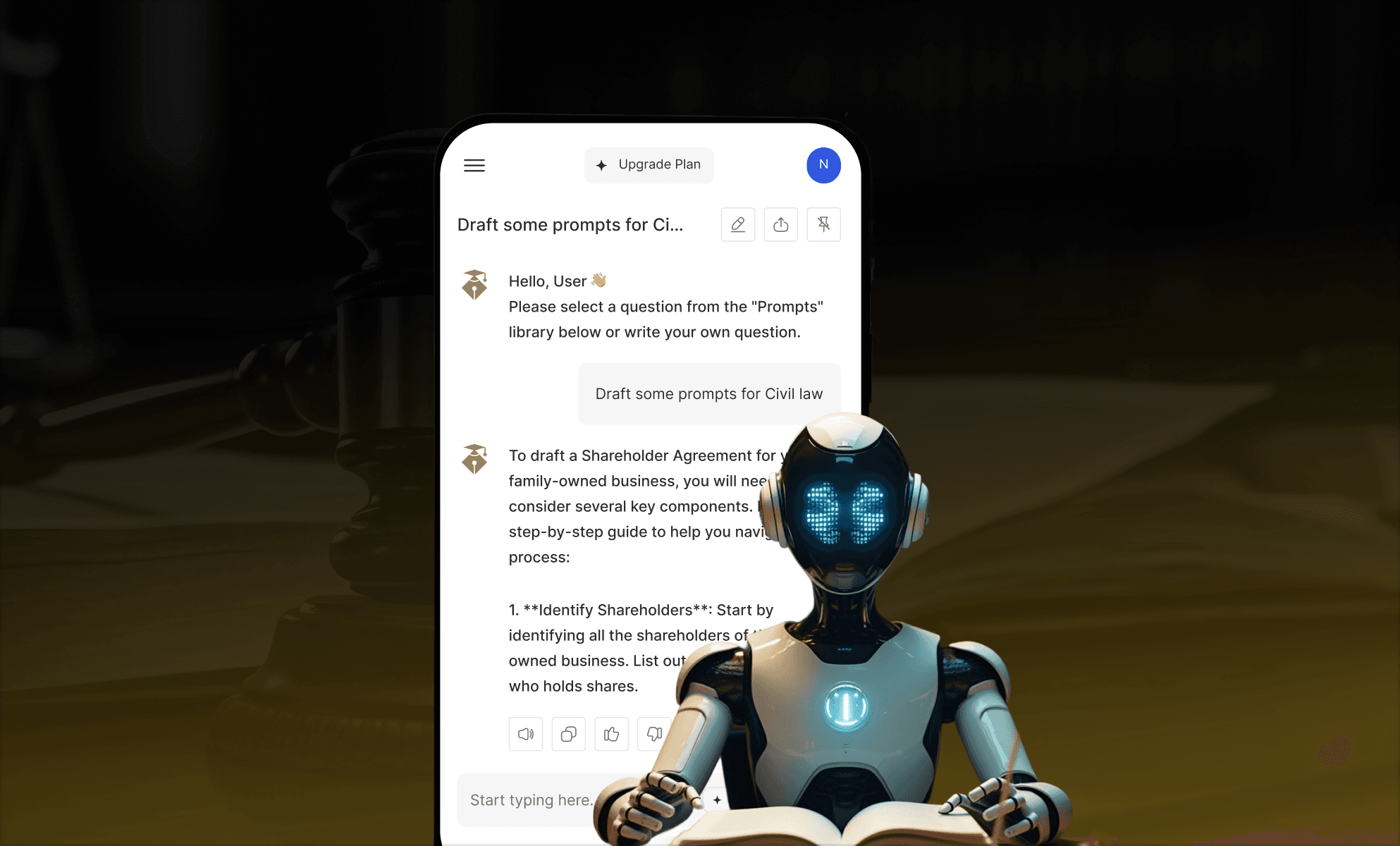
What is DigiLawyer?
Discover DigiLawyer - a platform that simplifies legal assistance. Learn how it offers instant legal advice, manages business compliance, and more.Another resource collection

How to Apply for a Voter ID Card – Online & Offline
Learn how to apply for a Voter ID Card online and offline with our step-by-step guide. Find eligibility criteria, required documents, and tracking details.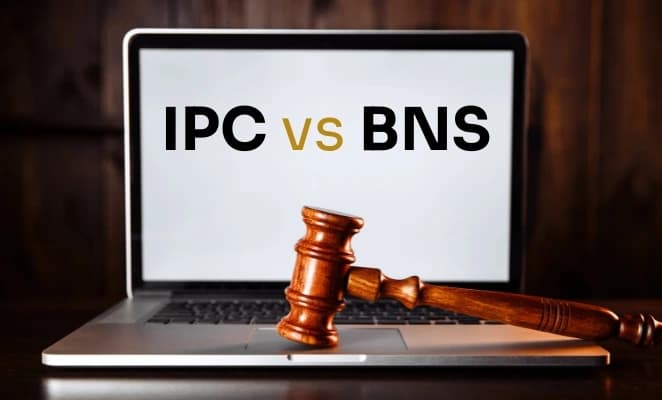
IPC Vs BNS – In-depth Comparison that You Must Know
Confused between IPC and BNS? Dive deep into this comprehensive comparison to understand the differences, benefits, and applications of these two systems.
7 Best Legal AI Tools for Law Students & Lawyers
From legal research to case drafting, explore 7 top AI tools that simplify work for law students and legal professionals!text card


Meet our experts


Specialises in:

Specialises in:
Check E Challan by cities

Check E Challan by states
Check Out DigiLawyer’s Challan Pricing Plan for Businesses



























Blogs Collection
Benefits of Property Document Verification: Avoid Costly Mistakes
Discover the key benefits of property document verification and how it helps you avoid costly legal mistakes. Safeguard your investments with proper verification.How to Transfer Property ID in Haryana – Comprehensive Guide
Learn how to transfer property ID in Haryana with our step-by-step guide. Discover required documents, application process, fees, and tips for a hassle-free property transfer.AI in Law – How It’s Transforming Legal Practices?
Discover how AI is revolutionizing the legal industry, streamlining case analysis, automating document reviews, and transforming traditional legal practices for better efficiency and accuracy.How to Self-Certify Property in Haryana Online - Easy Guide
Learn how to self-certify your property in Haryana online with our step-by-step guide. Simplify the process with quick tips and detailed instructions.What is DigiLawyer?
Discover DigiLawyer - a platform that simplifies legal assistance. Learn how it offers instant legal advice, manages business compliance, and more.Another resource collection
How to Apply for a Voter ID Card – Online & Offline
Learn how to apply for a Voter ID Card online and offline with our step-by-step guide. Find eligibility criteria, required documents, and tracking details.IPC Vs BNS – In-depth Comparison that You Must Know
Confused between IPC and BNS? Dive deep into this comprehensive comparison to understand the differences, benefits, and applications of these two systems.7 Best Legal AI Tools for Law Students & Lawyers
From legal research to case drafting, explore 7 top AI tools that simplify work for law students and legal professionals!





How to Check E-Challan by Vehicle Number in Uttar Pradesh?

- We check and confirm challan details for you
- We file for Lok Adalat - no lawyer fees needed
- Share your vehicle number online
- We appear or coordinate on your behalf
- Pay 50% of your Challan Amount Draft Yourself
- Visit traffic police office multiple times to check challan status
- Stand in long queues to file settlement application
- Find and hire a lawyer yourself (₹3.000- ₹5,000 fees)
- Take multiple leaves from work for court dates
- Physically appear in court with all documents
- Wait for weeks to get court hearing dates
- Pay full amount + Penalty

Don't Wait! Pay Your Challan Now
Avoid unnecessary penalties, legal hassles, and vehicle seizure. Clear your challan in 2 minutes.Check & Play Challan Now
Settle Your Traffic Challan in 3 Easy Steps


Dealing with multiple challans?
Our legal experts can help you resolve your challans across multi vehicles easily.Discover Our Features
Tile Section


Guideline on what is ??

Do not drink & drive for your safety

Follow traffic signals; don't jump red lights

Avoid using mobile phone while driving
Carry valid docs: drivers license, RC, PUCC
Process of the
Frequently Asked Questions
What are non bailable and bailable offence list?
Bailable offenses include theft, simple hurt, and defamation, while non-bailable offenses include murder, rape, terrorism, and kidnapping for ransom. Bail for non-bailable offenses requires court approval.
What is the fine for over speeding in India?
In India, the fine for overspeeding ranges from ₹500 for two-wheelers to ₹4,000 for commercial vehicles. Fines can increase based on the severity and location of the offense.
What legal action can be taken if credit card bill is not paid?
If an accused leaves the country and renounces Indian citizenship, they can still be prosecuted under Indian law, with extradition requests and Red Corner Notices potentially pursued for non-bailable offenses.










Disclaimer: DigiLawyer is not a law firm, a substitute for a lawyer or law firm, a chartered accountancy firm, or a company secretary firm. We act solely as an intermediary between users and registered professionals, and also offer AI-powered legal assistance, consultation, and document drafting tools to improve access to legal support. Use of our website, services, or AI tools is at the sole risk of the user and does not create any lawyer-client or professional relationship. All consultations and interactions facilitated through our platform are strictly between the user and independent professionals. DigiLawyer is not liable for any actions, decisions, or outcomes arising from the use of our platform, AI tools, or reliance on any advice, consultation, or content provided by us or third-party professionals.
Use of our products and services is subject to our Privacy Policy & Terms of Service

